




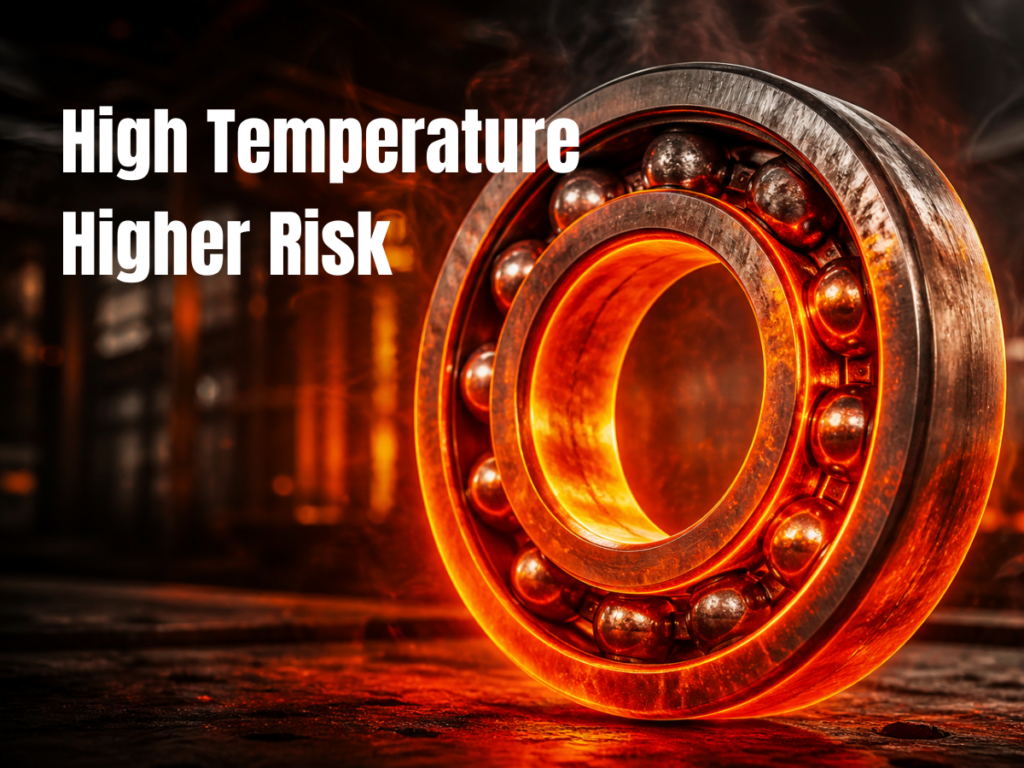
Bearing performance in harsh environments becomes a major challenge during summer due to heat, dust, and humidity exposure.
Industrial environments are already demanding, and summer conditions make them even more challenging. Rising temperatures, airborne dust, and increased humidity levels create a harsh operating environment that directly impacts bearing performance, reliability, and service life.
For industries such as cement, material handling, agriculture, mining, gearboxes, and heavy engineering, understanding these seasonal effects is critical to maintaining operational efficiency and avoiding unexpected downtime.
The Impact of Heat on Bearing Performance
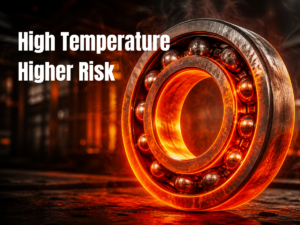
Elevated temperatures are one of the most significant challenges during summer operations. Excessive heat affects both the bearing material and lubrication.
High temperatures can lead to lubricant thinning, reducing its ability to form a protective film between rolling elements. This increases metal-to-metal contact, leading to higher friction, accelerated wear, and potential bearing failure.
Thermal expansion is another concern. As components expand, internal clearances within the bearing change, which can result in misalignment, increased stress, and reduced performance.
What this means for operations:
Without proper heat management and high-temperature-resistant lubricants, bearings may experience premature failure and reduced efficiency.
Dust Contamination: The Silent Performance Killer
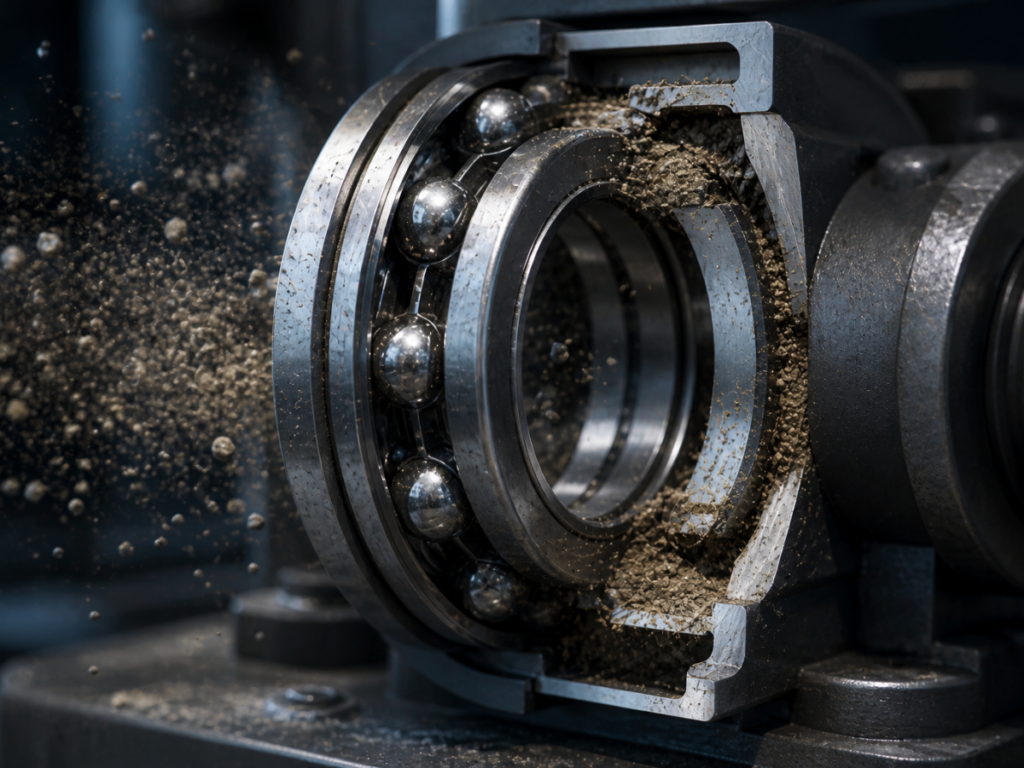
Summer often brings dry conditions and increased dust in industrial environments. Fine dust particles can easily penetrate bearing housings if sealing systems are inadequate.
Once inside, dust acts as an abrasive agent. It damages raceways and rolling elements, disrupts lubrication, and accelerates wear.
Even small levels of contamination can significantly reduce bearing life and compromise machine performance.
Key risk:
Contamination-related failures are often gradual but costly, leading to increased maintenance and unplanned shutdowns.
Humidity and Moisture Exposure
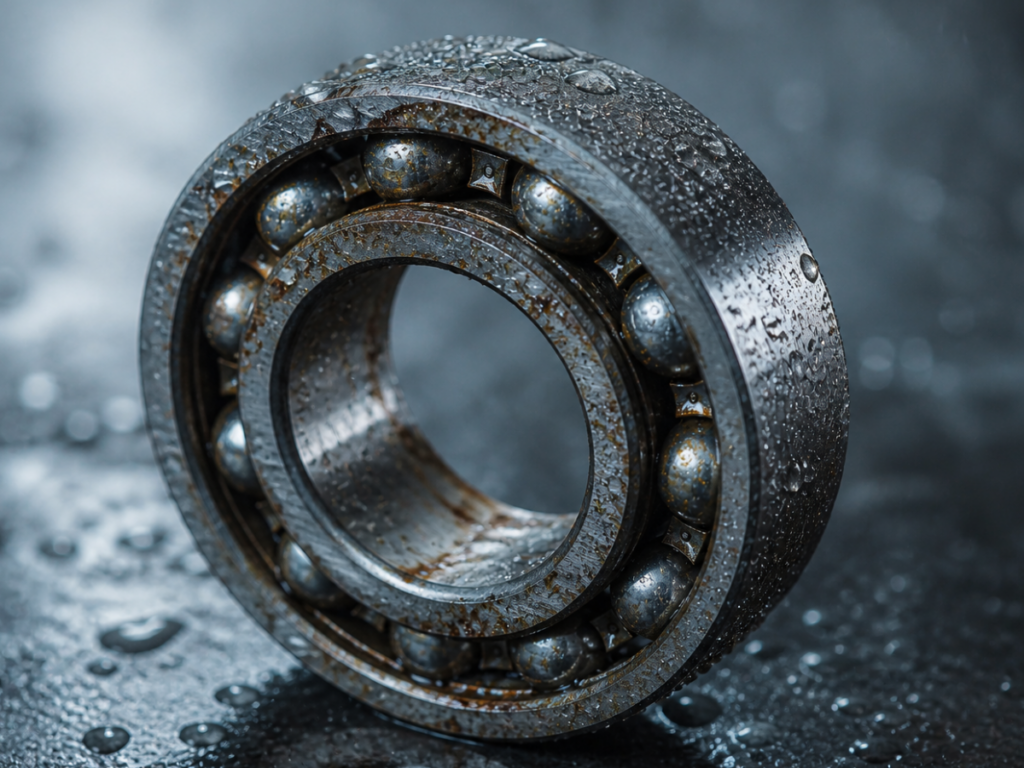
In many regions, summer also introduces high humidity levels or sudden moisture exposure due to environmental changes.
Moisture can lead to corrosion within the bearing, especially on raceways and rolling elements. It also degrades lubricants, reducing their effectiveness and promoting oxidation.
In extreme cases, water ingress can cause rust formation, pitting, and ultimately bearing seizure.
Operational challenge:
Humidity-driven damage is often overlooked until visible deterioration occurs.
Combined Effect: A Critical Reliability Challenge
Industries operating in mining, cement, and material handling sectors must prioritize bearing performance in harsh environments to ensure long-term equipment reliability and operational efficiency.
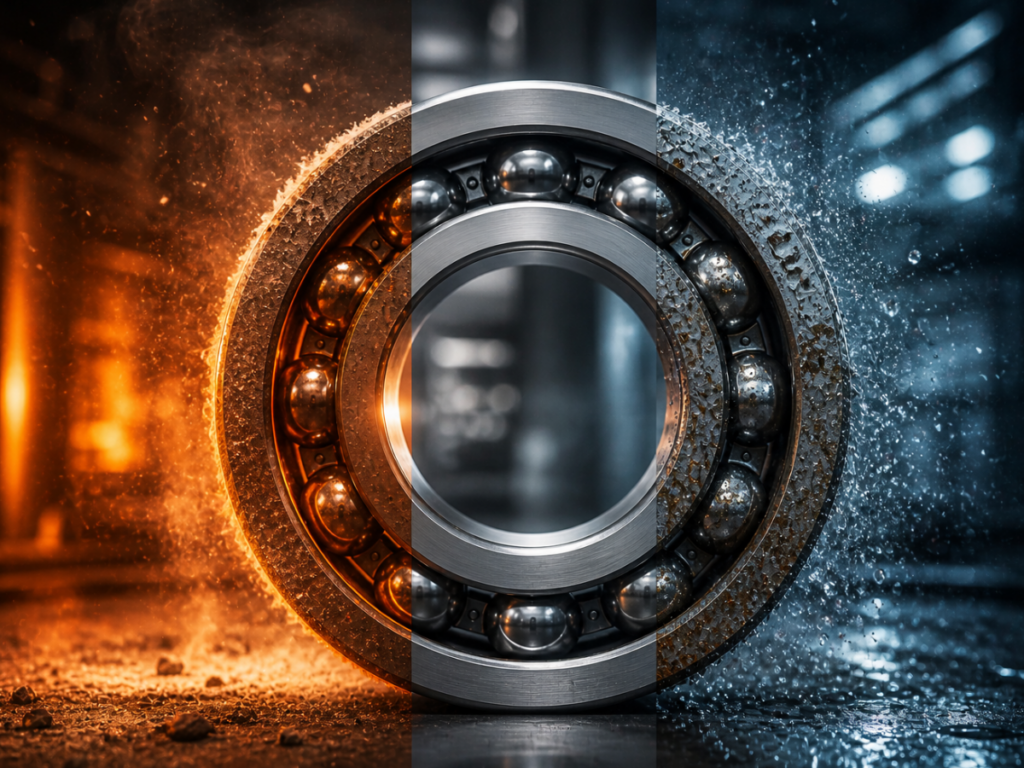
Heat, dust, and humidity rarely act in isolation. Together, they create a compounded effect:
- Reduced lubrication efficiency
- Increased contamination risk
- Accelerated wear and corrosion
- Higher chances of unexpected breakdowns
This combination makes summer one of the most critical periods for bearing performance monitoring.
How ZNL Bearings Support Harsh Operating Conditions
At ZNL Bearings, we understand that industrial applications require more than standard bearing supply. Reliable performance depends on correct application understanding, precision manufacturing, and proper engineering support.
Our approach includes:
- Application-based bearing selection
- Support for heavy-load operating conditions
- Precision-controlled manufacturing processes
- High-quality material and heat treatment standards
- Recommendations for sealing and lubrication improvements
In demanding applications such as conveyors, crushers, agricultural equipment, and gearboxes, proper bearing selection and operating condition analysis can significantly improve operational reliability and reduce downtime.
Best Practices to Protect Bearings During Summer
To ensure consistent performance in harsh summer conditions, industries must adopt proactive strategies:
1. Use High-Quality Lubrication
Select lubricants designed for high-temperature stability and resistance to oxidation.
2. Improve Sealing Systems
Effective seals prevent dust and moisture ingress, significantly extending bearing life.
3. Regular Inspection and Maintenance
Frequent checks help identify early signs of wear, contamination, or lubrication failure.
4. Monitor Operating Temperatures
Implement temperature tracking to detect overheating before it leads to damage.
5. Choose the Right Bearing Partner
Precision-engineered bearings designed for demanding environments make a measurable difference in performance and durability.
Why Bearing Quality Matters More in Summer
Not all bearings perform equally under stress. In extreme conditions, the quality of materials, precision engineering, and manufacturing standards play a decisive role.
At ZNL Bearings, our focus is not only on manufacturing bearings but also on supporting industrial reliability through application-driven engineering solutions.
Conclusion
Summer conditions introduce a unique set of challenges that directly impact bearing efficiency and lifespan. Heat weakens lubrication, dust accelerates wear, and humidity promotes corrosion.
Ignoring these factors can lead to increased downtime, higher maintenance costs, and reduced productivity.
With the right preventive measures and reliable bearing solutions, industries can maintain smooth, uninterrupted operations even in the harshest summer environments.
If your application operates under harsh environmental conditions, selecting the right bearing solution becomes critical for long-term reliability and operational efficiency.
Connect with ZNL Bearings to discuss your application challenges and improve equipment reliability with application-focused bearing solutions.
