






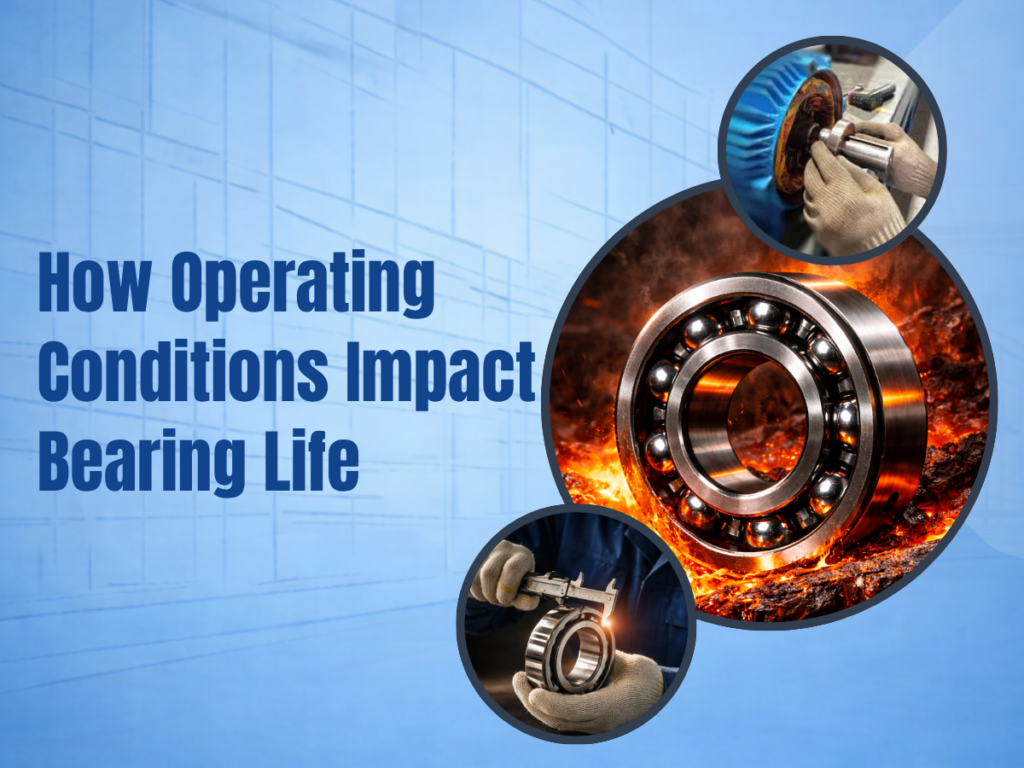
The impact of operating conditions on bearing life is often underestimated in industrial applications. Bearing life operating conditions play a critical role in determining real-world performance.
Load calculations are done, speed limits are checked, and internal clearances are matched to the requirement. Once that is in place, the assumption is that performance should follow.
However, in actual operations, that is rarely how things play out.
Across applications, it becomes evident that even a technically correct bearing can underperform when the operating environment is not aligned with those assumptions. The gap between expected life and actual performance often comes down to conditions that are not fully accounted for at the time of selection.
At ZNL Bearings, this gap between calculated performance and real-world output is something we consistently observe across industries.
The Difference Between Assumed and Actual Operating Conditions
Bearing calculations are typically based on stable inputs:
- Constant load
- Controlled temperature
- Proper lubrication
- Near-perfect alignment
But most industrial setups do not operate in that space.
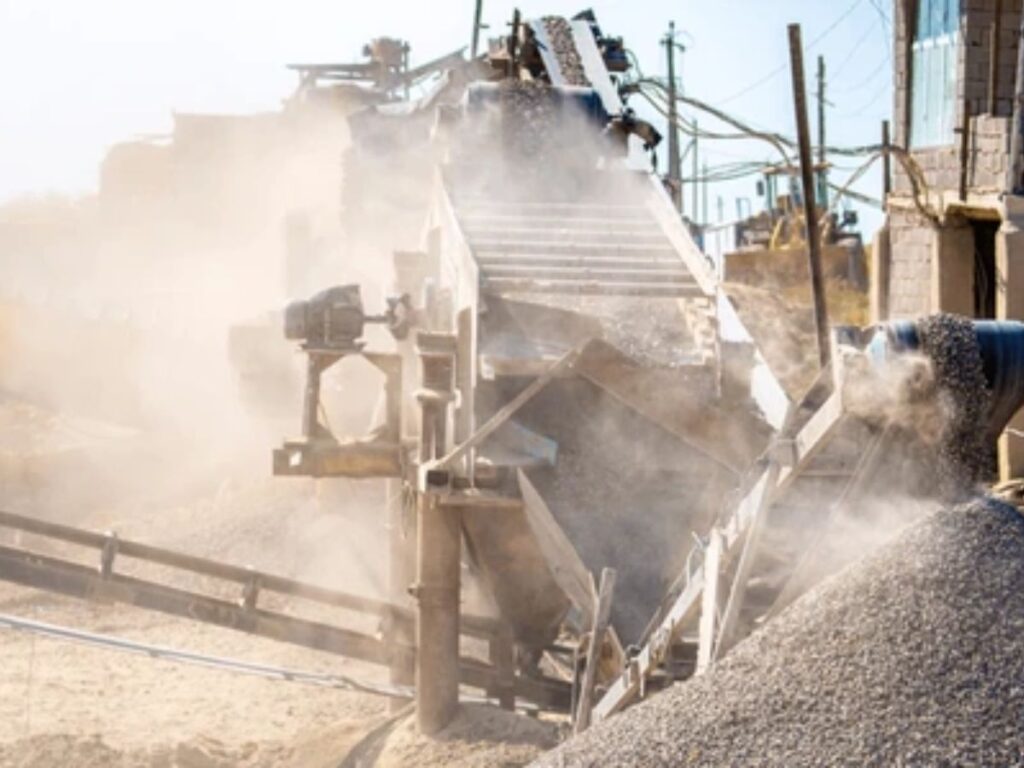
In continuous processes such as cement or material handling, contamination is not an occasional issue, it is constant. In crusher and heavy-duty applications, loads are dynamic rather than steady. Gearbox systems, especially under continuous duty, experience gradual thermal buildup that directly affects lubrication behaviour.
These are not extreme situations. They are normal operating realities.
The challenge is that these variations are often not severe enough to cause immediate failure, but they are sufficient to steadily reduce bearing life.
How Bearing Failure Begins in Real Conditions
In many cases, bearing failure is not a sudden event. It is a gradual process that starts much earlier than when symptoms appear.
- A small amount of contamination begins to affect the rolling surfaces
- Lubrication, exposed to temperature variation or contamination, starts losing its effectiveness
- Misalignment, even within acceptable limits, creates uneven load distribution
- Variable loads expose the bearing to repeated stress cycles beyond ideal assumptions
Individually, none of these may raise immediate concern. Together, they change the internal working conditions of the bearing.
By the time vibration, noise, or temperature rise becomes noticeable, the internal damage is already well progressed.
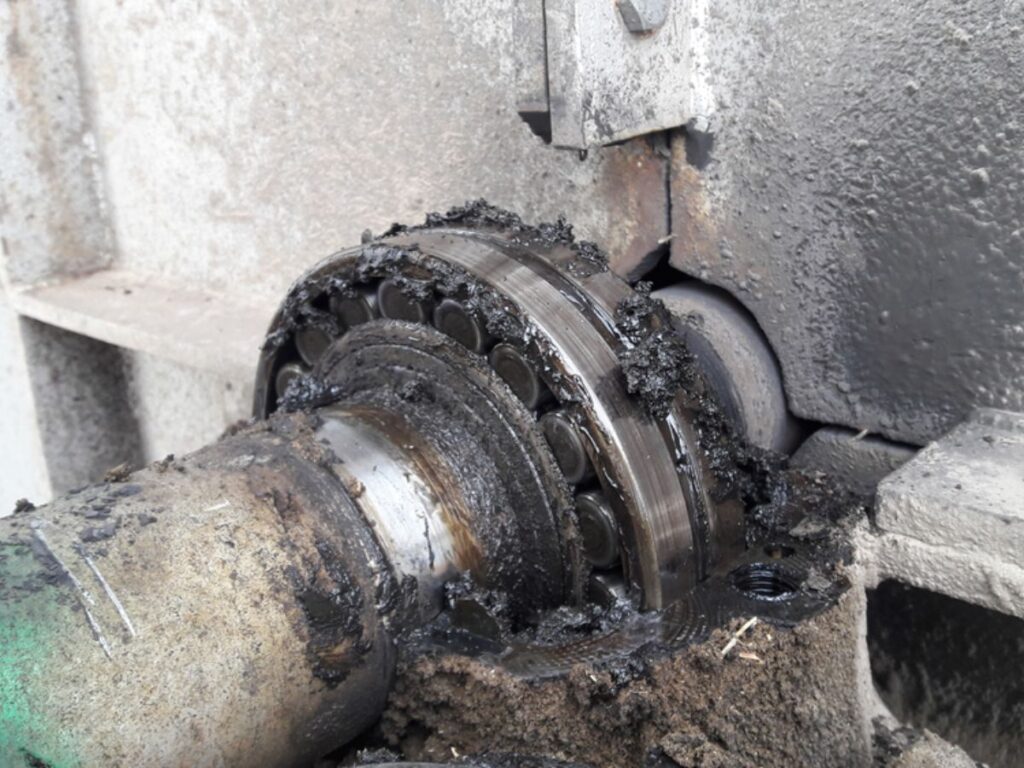
Bearing Failure Insights from Real Applications
What we consistently observe in the field:
Crusher Applications
It is common to see bearings failing earlier than expected despite correct load-based selection. The reason is rarely load capacity. It is the combination of contamination and shock loading that alters the internal condition over time.
Cement Plant Conveyors
Continuous operation combined with fine dust and inconsistent lubrication creates a similar pattern. The bearing does not fail because it is underspecified, but because the operating environment is more demanding than what the selection accounted for.
Gearbox Systems
Thermal effects play a more significant role. As operating temperatures rise, lubrication behaviour changes, which in turn affects friction and wear. Over time, this leads to performance degradation even under otherwise stable loads.
These are not isolated cases. They reflect a broader pattern where operating conditions quietly dictate bearing performance.
Why Bearing Design Selection Must Match Operating Conditions
Another important aspect is how different bearing designs respond to these realities.
Certain designs are inherently more stable under high load conditions, while others accommodate misalignment or varying loads more effectively. In controlled environments, these differences may not be critical. But in real applications, they become more relevant.
Selecting a bearing purely based on catalogue ratings assumes that operating conditions will remain close to ideal. In practice, this is rarely the case.
At ZNL Bearings, the focus is not just on selection, but on aligning bearing design with actual application conditions, ensuring performance is sustained in real environments, not just theoretical ones.
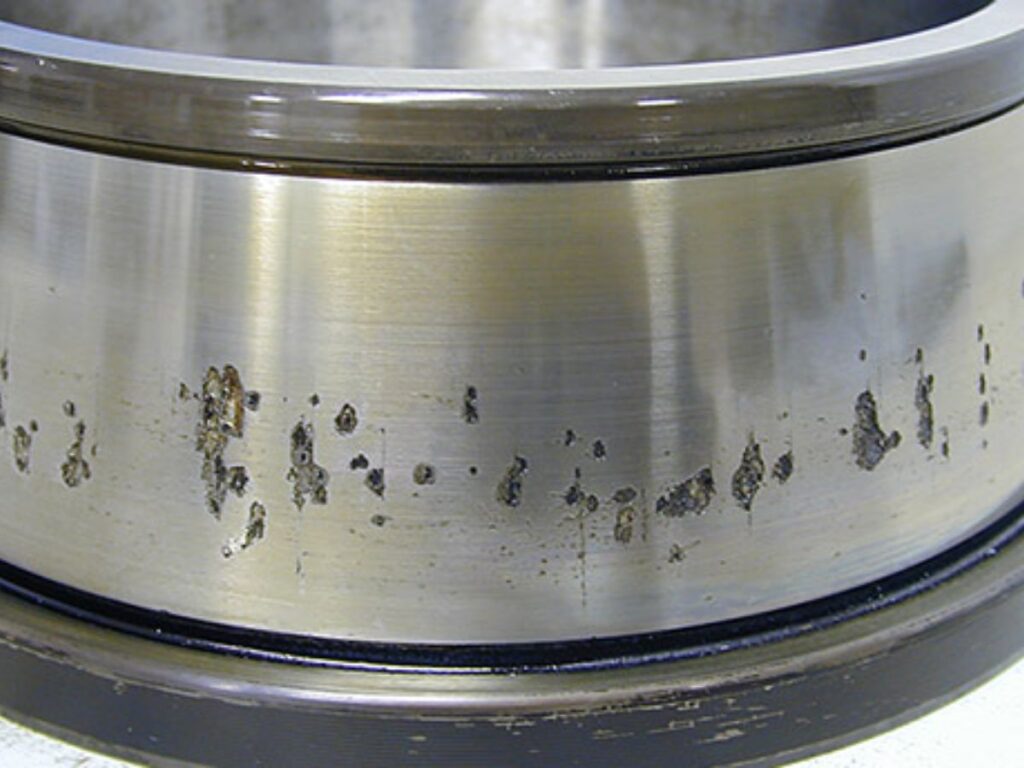
How to Improve Bearing Life in Actual Operating Conditions
What stands out across applications is that performance improvements are often achieved not by changing the bearing, but by improving the conditions around it. In most industrial setups, bearing life operating conditions are far from ideal.
Some of the most effective interventions are also the most practical:
- Strengthening sealing arrangements to limit contamination ingress
- Maintaining lubrication discipline rather than reactive lubrication
- Ensuring alignment accuracy during installation and rechecking over time
- Monitoring temperature and vibration trends to identify early shifts
These are not major system changes, but they directly influence how the bearing operates under real conditions.
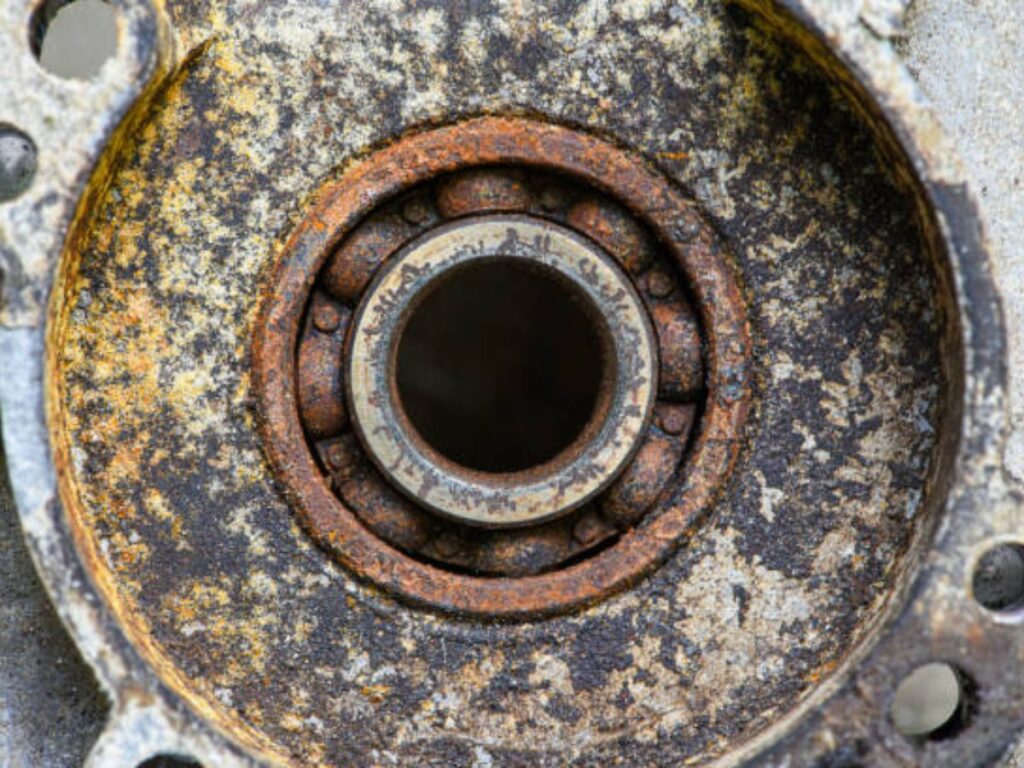
A Practical Approach to Bearing Life and Performance
Instead of viewing bearing life as a function of selection alone, it is more accurate to see it as a result of interaction between:
- Bearing design
- Application demands
- Operating environment
Ignoring any one of these creates a gap between expected and actual performance.
At ZNL Bearings, this integrated approach helps improve reliability, reduce failures, and extend bearing life across demanding industrial applications.
Conclusion: Bearing Life Is Defined by Operating Conditions
Bearing failures are often attributed to selection, but in many cases, the underlying cause lies in operating conditions that are not fully accounted for.
A technically correct bearing can still underperform if the environment it operates in is more demanding than anticipated. On the other hand, when those conditions are understood and managed, performance becomes far more predictable.
Because in real applications, a bearing does not work under ideal assumptions.
It works under actual conditions. Improving bearing life operating conditions is key to achieving consistent performance.
Let’s Evaluate Your Application
If you are facing:
- Repeated bearing failures
- Reduced bearing life
- Unpredictable performance
The issue may not be the bearing itself.
Connect with ZNL Bearings to assess your operating conditions and identify practical solutions to improve bearing performance and reliability.
