



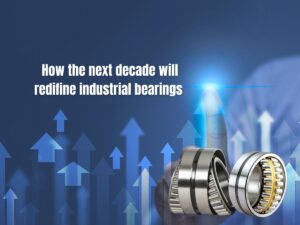

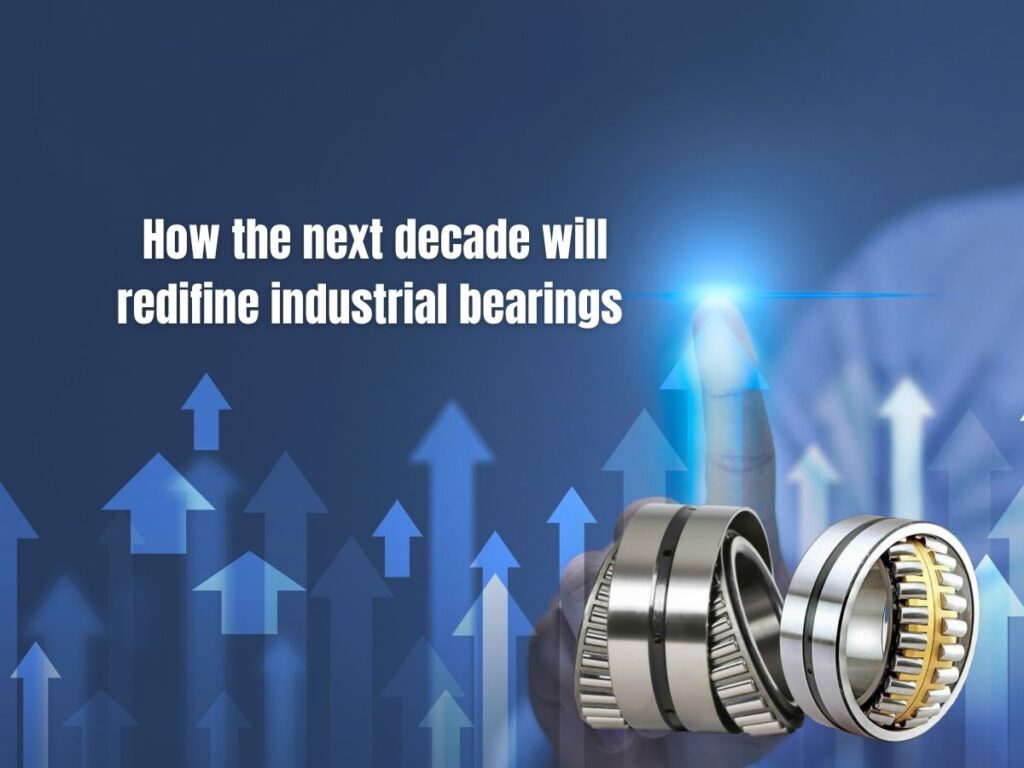
Industrial bearing reliability has become a critical factor in modern machinery. Industrial machines today are expected to operate longer, handle higher loads, and function within tighter design constraints, making bearing performance more important than ever.
For industrial operations, this has shifted the spotlight onto one critical component: the bearing. Bearings are no longer just supporting elements; they are central to ensuring smooth operation, reducing maintenance, and protecting overall productivity.
As we look toward the next decade, it is clear that the role of bearings will change. The focus will move away from simple compliance with technical specifications and toward their ability to sustain real-world conditions, keep machinery running efficiently, and provide predictable service life.
Compact Designs
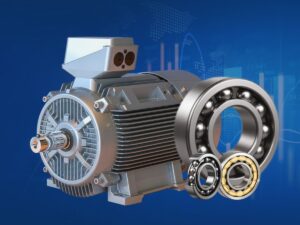
Machines are being designed with efficiency in mind. Equipment today often delivers higher output while taking up less physical space than machines from previous generations. This puts greater pressure on industrial bearing reliability in compact systems.
In smaller machines, bearings must manage concentrated loads and maintain stability under higher temperatures. Any inconsistency in material quality or internal geometry can compromise performance, potentially leading to early wear or unexpected downtime. In the coming years, the most reliable bearings will be those that maintain their performance even when operating conditions are tight and demanding.
Continuous Operation Demands Reliability
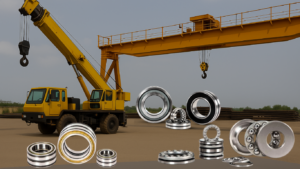
Modern industrial operations are increasingly moving toward longer running hours. Many plants now operate equipment almost continuously, with fewer scheduled shutdowns for maintenance. Bearings that were adequate for machines operating intermittently may not perform reliably under sustained load conditions.
Continuous operations directly test industrial bearing reliability under real conditions. Bearings that fail under these circumstances can lead to production interruptions and increased maintenance costs. Over the next decade, bearings will be evaluated primarily on their ability to deliver consistent performance over long operating cycles rather than their theoretical maximum load rating.
Precision Is Becoming Essential Across Industries
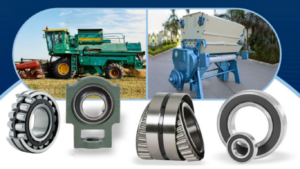
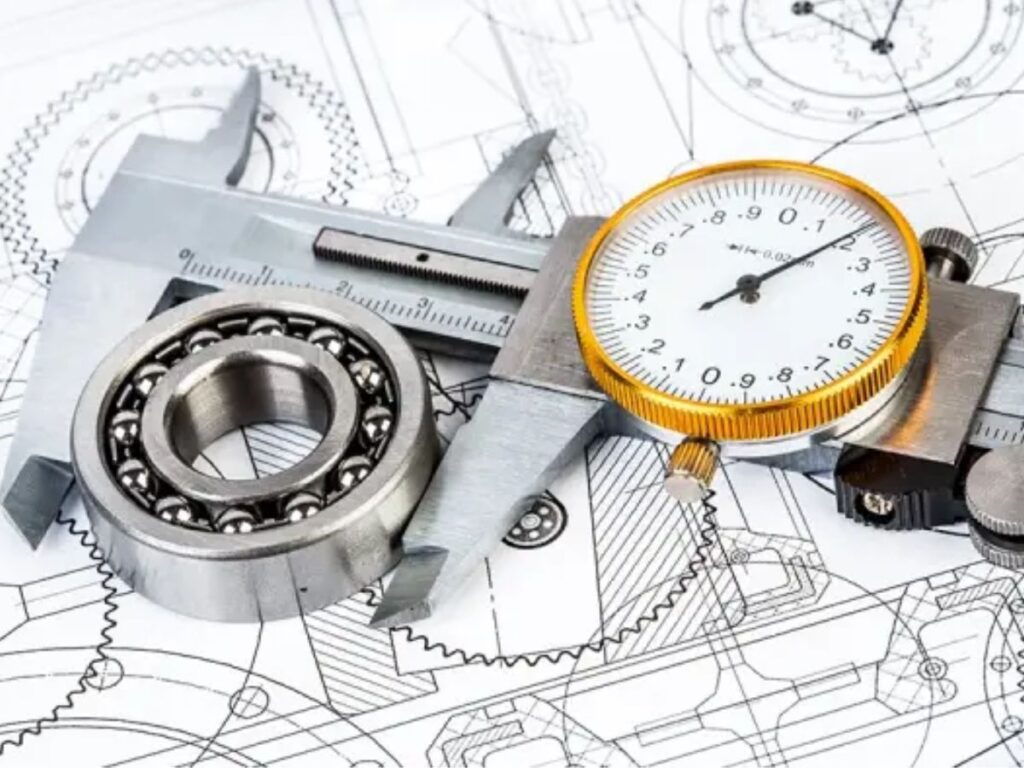
Precision is no longer just a requirement for small, high-speed machinery. Even heavy-duty machines, such as conveyors, crushers, or steel-processing equipment, now require controlled movement, reduced vibration, and minimal operational noise.
Bearings play a crucial role in achieving this precision. Bearings that are not engineered with attention to load distribution, internal clearance, and surface quality can cause uneven wear, higher vibration, and reduced component life. In the next decade, the most effective bearings will combine strength and precision, supporting both heavy loads and smooth, controlled motion.
Reliability Over Cost
The true cost of a bearing extends far beyond its purchase price. A bearing that fails unexpectedly can result in lost production, emergency maintenance, and operational disruption. These costs are often far higher than the savings gained from choosing a lower-cost bearing.
Increasingly, plant managers and maintenance teams are making decisions based on reliability and predictability. Bearings that perform consistently without frequent attention or replacement are more valuable than those that simply meet minimal specifications at a lower price.
The Importance of Application Knowledge
Not all bearings that meet the same size and load rating will perform the same in practice. Real-world performance depends on factors like operating speeds, load variation, temperature, and environmental conditions.
Manufacturers who take these factors into account and provide application-specific guidance help ensure that bearings deliver reliable performance. ZNL Bearings also provides application engineering support to help customers select the most suitable bearing for their operating conditions, ensuring that performance expectations align with actual usage.
As machinery becomes more complex, this kind of expertise will differentiate suppliers who provide real value from those who offer only standard components.
Bearings and the Future of Industrial Motion
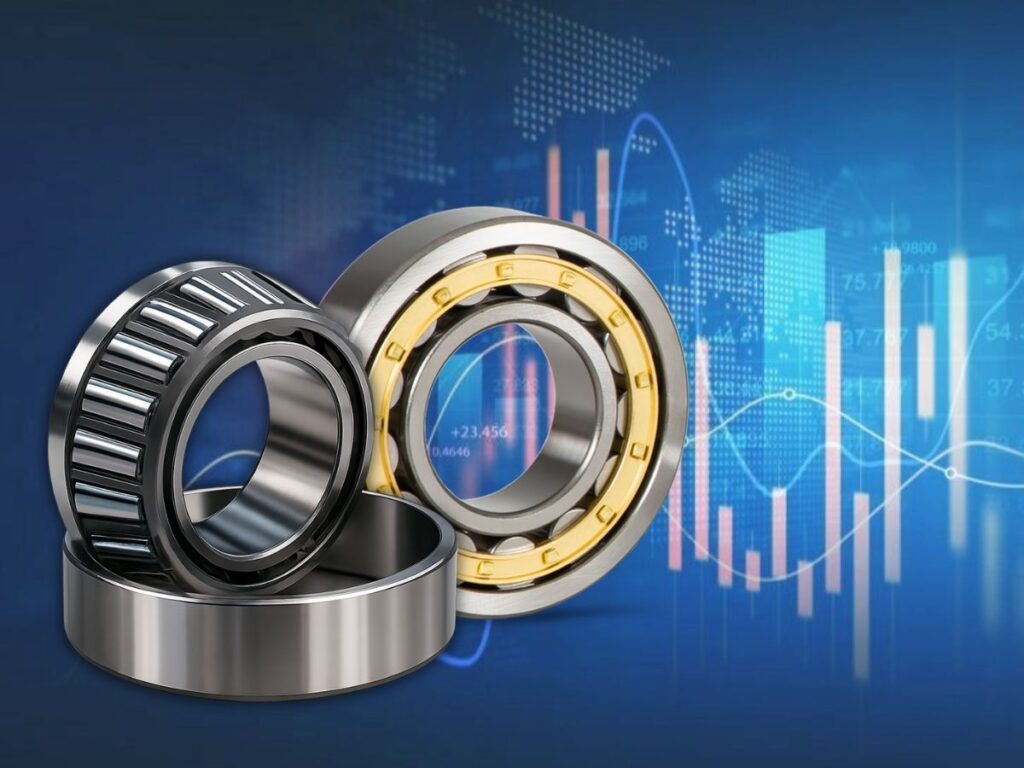
The coming decade will make it increasingly clear which bearings can keep up with modern industrial demands. Those that are engineered with careful attention to application, material quality, and operational consistency will support longer machine life, reduced downtime, and predictable performance.
ZNL Bearings operates with a clear understanding of these changing expectations. The emphasis remains on supplying bearings that are suited for demanding applications, extended operating hours, and consistent real-world performance.
By focusing on application relevance, controlled quality, and dependable operation, ZNL Bearings supports industries where downtime has serious consequences. The approach is rooted in practical engineering and long-term reliability rather than short-term compromises.
In the long run, reliable bearings reduce total operational cost and improve plant efficiency.Precision also depends heavily on industrial bearing reliability.
As industrial motion continues to evolve, bearings will need to do more than just meet specifications. They must provide stability, precision, and durability, consistently supporting machines through extended operation and challenging conditions. The next decade will reward bearings designed with these priorities in mind, shaping the future of industrial reliability.
